
"regional coffee selection"
6000 article(s) found

A brief introduction to the History and Culture of the Origin and Development of Santo Domingo Coffee
Unlike coffee produced in Haiti, most of the coffee grown in the Dominican Republic has been washed, which is a symbol of high quality. Miniga Coffee uses a washing method to treat coffee beans, so that the quality of treated coffee beans is more guaranteed. The coffee beans treated by washing method retain more original flavor than the drying method, and the aroma is pure and soft. Carefully selected and made in this way

Characteristics of African Coffee beans Solar Yega Ficheldibo G1 selected microbatches
Professional coffee knowledge exchange more coffee bean information please follow the coffee workshop (Wechat official account cafe_style) front street-Yegashefi Cochelle Dibo G1 sun introduction Cochel in southern Ethiopia, can be said to be one of the highest coffee-growing places on earth. Due to the high altitude, wild native species of coffee, and iron-rich soil

Flavor description of coffee beans in Honduras introduction to the taste of grinding scale manor by regional treatment method
In Honduras, coffee producing areas are divided into six major producing areas, namely, Santa Barbara (Santa Barbara), Perry (El Paraiso), Coban (Copan), Bazi (La Paz) and Gongmayagua (Comayagua) and Olan Hills (Olanc).
The definition of boutique coffee
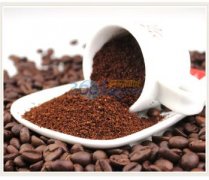
According to the newly revised definition of the American Fine Coffee Association: boutique coffee is carefully selected as the most suitable variety, planted in the altitude, climate, soil and water environment that is most conducive to the development of coffee flavor; careful washing and sun processing, selection of the most advanced raw beans without defects, zero defects in the process of transportation, delivered to customers; after the excellent craftsmanship of the roaster, it leads to the richest regional flavor, and then with the recognized extract.
Roasting of boutique coffee beans PB in Lake Guibu, Congo
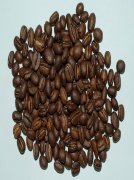
Roast PB (Congo KIVU LAKE PEABERRY) coffee cooked beans in Lake Guibu region of the Republic of Congo roasted raw beans PB (Congo KIVU LAKE PEABERRY) coffee raw beans PB raw beans in Lake Gebu region of the Republic of Congo look good, but can not stand careful selection, out of 100g raw beans, 48 defective beans are selected. It stopped at the beginning of the second explosion.

Basic knowledge of roasting coffee beans roasting PB in Lake Guibu, Congo
Roast PB (Congo KIVU LAKE PEABERRY) coffee cooked beans in Lake Guibu region of the Republic of Congo roasted raw beans PB (Congo KIVU LAKE PEABERRY) coffee raw beans PB raw beans in Lake Gebu region of the Republic of Congo look good, but can not stand careful selection, out of 100g raw beans, 48 defective beans are selected. It stopped at the beginning of the second explosion.
Roasting Records of PB Coffee beans in Lake Guibu, Congo
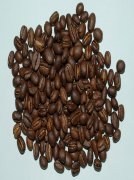
Roast PB (Congo KIVU LAKE PEABERRY) coffee cooked beans in Lake Guibu region of the Republic of Congo roasted raw beans PB (Congo KIVU LAKE PEABERRY) coffee raw beans PB raw beans in Lake Gebu region of the Republic of Congo look good, but can not stand careful selection, out of 100g raw beans, 48 defective beans are selected. It stopped at the beginning of the second explosion.

Fresh and elegant Santo Domingo boutique coffee bean cultivation geographical location, climate, good altitude
Carefully selected in this way, the high-quality Dominican coffee exudes a faint aroma and gives people a faint fruity aroma with a lingering finish and a smooth and smooth finish. To trace the origin of Tibica, we should first talk about the coffee trees originally planted in Martinique. These trees were planted by Dominicans as far back as the early 18th century, so Dominica began at that time.

Panamanian Coffee | introduction to Cupid Flavor of selected Series of small Farmers in Baru Volcano area
Panama Baru volcano production area small farmers selected series Cupid country: Panama production area: Baru volcano altitude: 1600-1650 m treatment: honey treatment and traditional washing grade: SHB varieties: Kaddura, Kaduai, geisha flavor description: clean and clear Body, white grape, caramel aroma followed by honey, alpine black tea aroma charming! High sweetness, low acidity, taste

Description of the Flavor of Brazilian Hilado Coffee introduction to the region of Brand production by Grinding Calibration
Brazil Hilado Coffee Flavor description Grinding scale method Brand production area introduction Brazil has many large farms, operating endless coffee plantations, they use machines to harvest and use machines to dry, the efficiency of automation is very high, as if coffee is a general agricultural material, completely abandoning flavor and disregard. As a result, many select coffee companies simply do not sell Brazilian beans.

Description of flavor, taste and aroma characteristics of pure and soft Santo Domingo boutique coffee beans
Such flavor characteristics are not only related to varieties and the quality of planting soil, but also closely related to the picking and handling of raw beans. Coffee in Dominica is selected by the manual method with the highest cost, and workers mainly consider the fullness of coffee granules, and the other is to see whether they are even. according to these conditions, the coffee beans with the fullest and most uniform particles are graded.

Pu'er Coffee won the top 10 agricultural regional brands in China.
The results of national well-known brand establishment demonstration zone construction and 2016 regional brand value evaluation were released in Beijing a few days ago. Pu'er coffee entered the 2016 regional brand value top 100 list, the only coffee selected, and won the seventh of the top 10 agricultural regional brand values with 11.136 billion yuan. The cultivation of coffee in Pu'er City began at the end of the 19th century and its industrialization began in 1988. At present, coffee noodles are grown in the whole city.

Description of Flavor in Coffee Bean processing and washing process introduction of varieties in taste producing areas
Coffee bean processing washing step flavor description taste production area variety introduction 1. Choose beans: if you put the harvested fruit in the water tank, the ripe fruit will sink, while the immature and overripe fruit will float up and can be removed. two。 Drying: place the selected ripe fruits in the square and expose them to the sun for 5 or 6 days until fully dried. At this time, the fruit turns dark brown

Honduran Coffee beans with High quality Coffee introduced to San Juan Xido region
High-quality coffee in Honduras uses water washing to deal with coffee beans, usually after soaking, when the defective fruit will surface, it can be discarded first. Then put the good fruit into the fruit peeling machine and peel off the peel with the rotating force of the machine. Peeled fruits are screened by machines to select fruits of high quality. Usually the bigger the fruit.

Does the sourness of washed beans come from fermentation?
The sour taste of washed beans comes from fermentation. Fine farms will identify defective beans manually or by machine and pick them out and throw them away. The manual selection method usually uses a conveyor belt about 1 meter wide, with several female workers sitting on both sides to visually select the bad beans; some good farms even go through several selections until no defective beans are found. machine selection rule

A brief introduction to the origin, development, history and culture of pure and gentle Santo Domingo boutique coffee beans
Such flavor characteristics are not only related to varieties and the quality of planting soil, but also closely related to the picking and handling of raw beans. Coffee in Dominica is selected by the manual method with the highest cost, and workers mainly consider the fullness of coffee granules, and the other is to see whether they are even. according to these conditions, the coffee beans with the fullest and most uniform particles are graded.

The selection and purchase of high-quality coffee beans
Coffee was originally enjoyed by residents of the country of origin or gourmet food. This makes the coffee have a certain regional character. With the development of trade, blended coffee has gradually eliminated this regional limitation, and coffee has become a mixed drink, just like champagne with some wine. In fact, some people insist that the best coffee is to combine the advantages of different kinds of coffee.
A brief introduction to the treatment method of grinding degree and baking degree of pure and gentle Santo Domingo boutique coffee beans
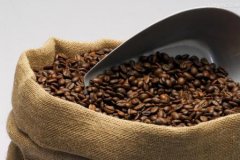
Carefully selected in this way, the high-quality Dominican coffee exudes a faint aroma and gives people a faint fruity aroma with a lingering finish and a smooth and smooth finish. To trace the origin of Tibica, we should first talk about the coffee trees originally planted in Martinique. These trees were planted by Dominicans as far back as the early 18th century, so Dominica began at that time.

Comparison of data of two Raminita estates in Costa Rica and Guatemala
Product name: La Minita, Costa Rica background: La minita Manor plants and selects coffee for its customers in a careful and responsible spirit. After screening and elimination from a total of 832000 pounds of raw beans, it finally selects 210000 pounds of the best quality coffee beans for consumers, which means that La minita only selects about 25% of the raw coffee beans in the process.

Ipanema selection of Brazilian Coffee with Pulp in Ipanema Manor, Brazil
Professional coffee knowledge exchange more coffee bean information please follow the coffee workshop (Wechat official account cafe_style) Ipanema Manor Ipanema selection with pulp Ipanema Special Reserve Pulped Natural ■ country: Brazil ■ production area: South Minas province ■ altitude: 800-1370 m ■ treatment: sun with pulp ■ variety: Allah